What Is Third Wave Coffee? A Barista’s Guide to the Movement That Changed the Industry

Before diving into the third wave, it’s helpful to understand the broader context. The coffee industry has evolved through distinct phases—or “waves”—each representing shifts in culture, consumption, and quality. As a barista in today’s coffee landscape, you’re likely operating within or alongside third wave principles. Understanding this movement helps you connect more deeply with your … Read more
How Terroir Influences Coffee Flavor: What Every Barista Needs to Understand

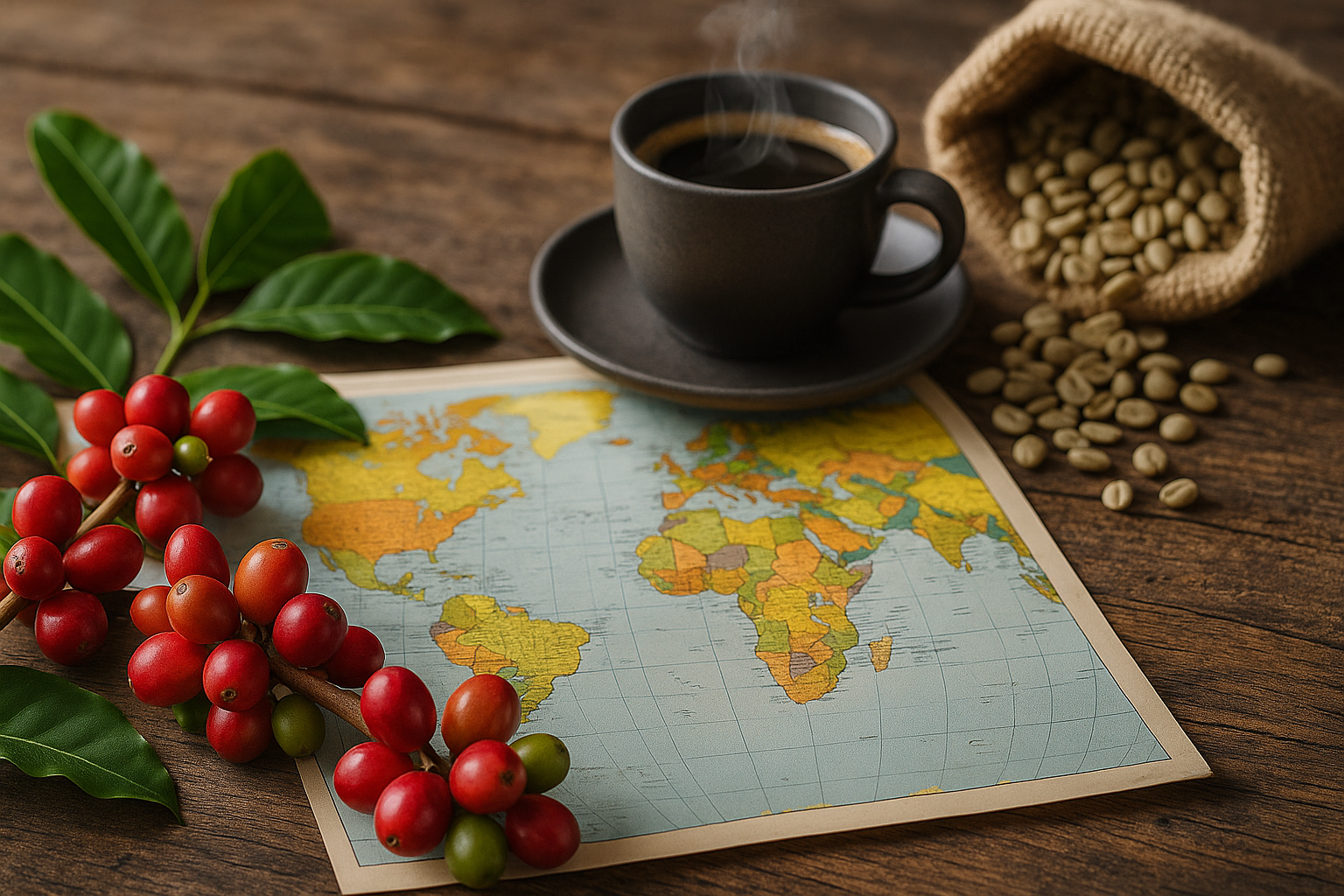
“Terroir” is a term borrowed from the wine world, but it applies just as meaningfully to coffee. It refers to how the natural environment—including soil, climate, altitude, and local ecosystems—affects the flavor of the coffee bean. For baristas, understanding terroir means recognizing how beans from different regions bring unique characteristics to the cup. This knowledge … Read more

The Coffee Grinder Guide for Baristas: Types, Burrs, and How to Dial In for Flavor

Ask any professional barista what matters most in brewing consistently delicious coffee, and you’ll hear one word: grinder. Even with perfect beans, water, and technique, a poor grind will ruin the cup. Your grinder controls particle size distribution, which directly affects extraction, flow rate, flavor balance, and mouthfeel. Mastering your grinder means you’re halfway to … Read more

What Is Coffee Bloom? Understanding the Science and Technique Behind It

If you’ve ever watched freshly ground coffee react to hot water—bubbling, expanding, and releasing aroma—then you’ve seen the coffee bloom in action. This moment is more than just visual drama. It’s a critical part of extraction that signals freshness, gas release, and brew potential. For baristas, understanding the bloom isn’t optional—it’s foundational. Whether you’re making … Read more

The Role of Water in Brewing Coffee: How Water Quality Affects Taste and Extraction

Baristas often focus on grind size, dose, and brew ratios—but one variable is frequently underestimated: water quality. Since water makes up about 98% of a cup of coffee, its composition can drastically alter flavor, texture, and balance. Using the wrong kind of water can ruin even the highest-quality beans. For a barista, mastering water is … Read more

Arabica vs Robusta: What Every Barista Should Know About the Two Main Coffee Species

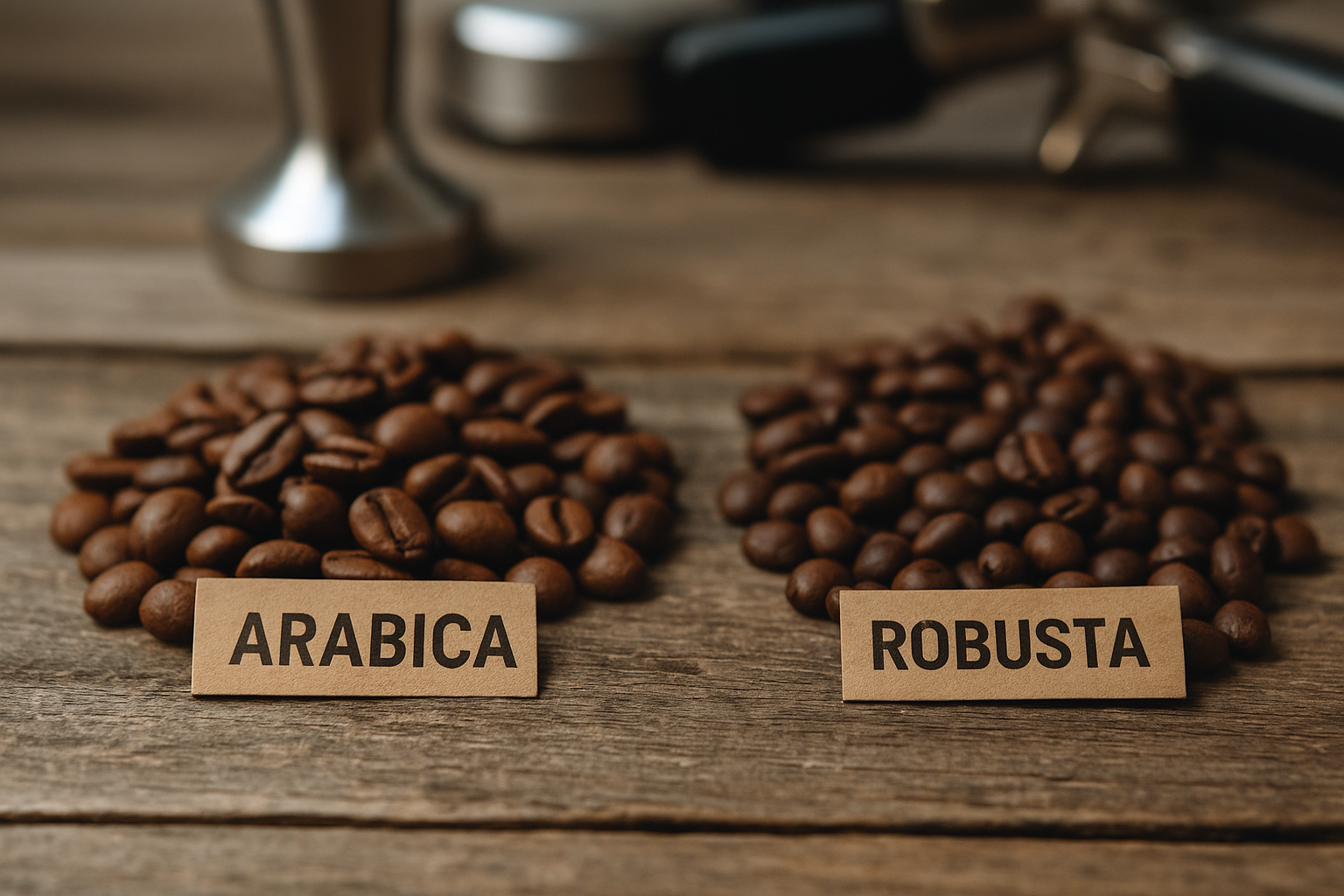
If you’re serious about becoming a skilled barista, one of the most important things to understand is the difference between Coffea arabica and Coffea canephora, commonly known as Arabica and Robusta. These two species dominate global coffee production, but they are far from identical. From their growing conditions to their flavor profiles and economic roles, … Read more

Understanding Single-Origin vs. Blended Coffee: A Guide for Baristas

As a barista, one of the most common decisions you’ll encounter is whether to use or serve a single-origin coffee or a blend. These two types of coffee offer distinct advantages and serve different purposes depending on the brew method, customer preference, and café goals. Understanding the difference is essential—not only for making brewing decisions … Read more

Coffee Roasting Levels: How They Affect Flavor, Aroma, and Barista Techniques

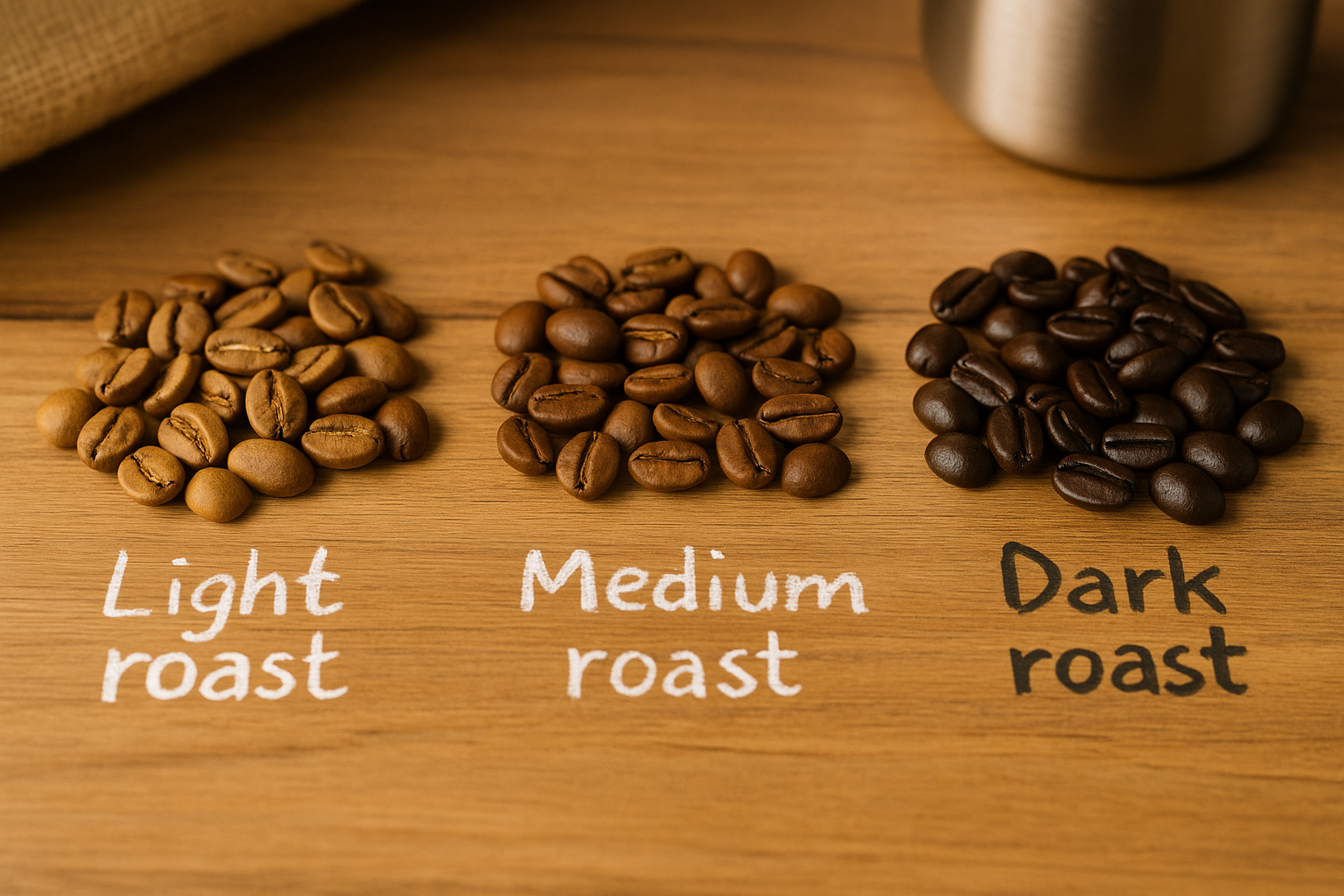
Coffee roasting transforms raw green beans into the aromatic, flavorful products we brew every day. For baristas, understanding how different roast levels affect a coffee’s taste, aroma, texture, and behavior in brewing is essential for consistency and excellence. Your role as a barista goes beyond pressing buttons. Knowing the differences between light, medium, and dark … Read more

The Art and Science of Pour-Over Coffee: A Barista’s Step-by-Step Guide

In the third wave coffee world, pour-over brewing stands as a symbol of precision, craft, and care. It gives baristas complete control over extraction variables—allowing them to highlight the nuances of single-origin coffees with clarity and balance. Unlike automated drip machines, pour-over brewing is entirely manual. That makes it more expressive but also more demanding. … Read more